Category Archives: Wine Reviews

Why Aussie wines are rising from down under

Image
Group Chief Winemaker of Hardys, Paul Lapsley, enjoying his wines at EVOO in Cambridge, Mass. Photo by Charlene Peters

It is estimated that 200 glasses of Australia’s most prominent wine, Hardys, are consumed each day around the world. Hardys is also the most recognized Australian wine in the world, yet, in the U.S., this brand of wine has been all but non-existent — until now.

Expect to be smitten by Australian chardonnays and pinot noirs in particular.


A family account

The history of Hardys began 160 years ago, when Thomas Hardy arrived down under from an English farming family in the countryside near Devon. Upon his arrival in Australia, he became involved with cattle and the “butchery business,” feeding hungry miners in the gold fields of Victoria. Just over a year later, his profits were utilized to purchase land South of Adelaide on the banks of the River Torrens, an area later known as “Bankside” and the origins of Hardys winery and wines.

Thomas’ sons were involved in the business, prompting the name change to Thomas Hardy & Son in 1887. Only one son, Robert, became a winemaker. Hardy’s cousin, Thomas Hardy Nottage became involved in 1884, helping to build the success of Hardys wines, managing McLaren Vale Vineyards of which the Nottage Hill tier of wines is named in his honor.

Today, the family’s involvement continues with William (Bill) Hardy, who has worked as winemaker and ambassador for the Hardy family’s famous brand for the past 40 years and counting.


Ready for the U.S.

With the cultivation of vineyards throughout the west, north and south, in Queensland, New South Wales and Tasmania, the maturing of 2012 vines and the complexity gained in blending grapes from these various areas gives Australian wines the cutting edge, ready for resurfacing in the U.S.

“My position as chief winemaker, as is the Hardys’ tradition, has always been taking fruit from whole regions and making blends and/or single regional wines or blends from regions to get the consistency of star quality,” says Paul Lapsley, who has 27 winemakers working under him.

Lapsley has recently toured throughout the U.S. to represent Accolade Wine Group, which bought the Hardys brand from Constellation in 2011. This group includes Hardys Nottage Hill and Tintara McLaren Vale brands as well as Hardys.

“When Constellation bought us,” says Lapsley, “the industry was at its peak.”

Before a tsunami of events occurred in 2007, such as a weak world economy, a rising Australian dollar and oversupply of a particular mainstream Australian wine, as a whole, the Australian wine industry suffered. Wine and spirits maker, Constellation Brands stepped in and paid a price of 1.2 billion dollars for Hardys, selling 80 percent of the company for 290 million dollars, losing one billion and writing off 700 million in assets.

After dipping out of the American market for a while, he says, “We struggle every day with building the reputation of Australian wines.”

Hardys was bought by a private equity company who knew how to run a business, beginning with reducing the 750 labels down to a much more manageable 200. The company was renamed Accolade Wines, with Hardys as the main wine brand.

What makes Hardys successful is its ability to garner grapes from its seven wineries all over Australia, Tasmania being the “lovely jewel, the mini crown, so to speak,” says Lapsley.

Given its unique position in Australia’s winemaking history, its considerable vineyard/winery holdings across Australia’s most prized winegrowing regions, and the worldwide recognition for Hardys as one of Australia’s most storied wine brands makes Hardys well poised for the current resurgence of Aussie wines in the U.S.

By recognition and volume alone, Lapsley says, “We’re about to get back on track with America.”


Tasting notes

With this comment, he shares a rare release 2008 Hardys Shiraz – named the 160 year anniversary bottle, selling for $200 a bottle. This shiraz is all about hand harvested grapes that hail from McLaren Vale, Clare Valley and Frankland River ancient vines aging 50 to 100-plus years, and the wine can be cellared for 15 to 20 years. It’s a dense red, opulent wine, full-bodied with flavors of dark chocolate, licorice, blackberry and dark plum. Its French oak barrel aging gives it an overlay of mocha and vanilla.

“We’re not saying our shiraz is a Rhone style,” says Lapsley, “but we say it has finesse.”

It’s a really exciting time for Australian wines.

Part of the Commonwealth of Australia, Tasmania, located south of the continent, is one of the reasons Australian wines are making resurgence in the U.S. According to Lapsley, chardonnay and pinot noir are the hottest wines on the market today, thanks to a move to Tasmania vineyards 20 years earlier.

“That made the difference in quality,” says Lapsley. “And in sparkling wine as well.”

Humbled by Australian wines of the past, Hardys chardonnay is the stepping stone to a more complex chardonnay grape grown on vineyards in Western Australia. It offers more of a melon flavor, heading toward citrus and tropical. At the end of the day, it’s a $13 bottle of wine simply taken out of the fridge and enjoyed.

As for the medium bodied 2012 Nottage Hill Pinot Noir ($SRP $13) with soft tannins and a flinty background, Lapsley explains the process: “We don’t try to overdo it. We treat these grapes in the Burgundian manner, naturally fermenting with techniques on lees. It’s not a wine that needs a lot of oak.”

Fortunately, wine is no longer about high alcohol. You won’t see a bottle of Hardys wine with 15 percent alcohol or more.

“We as winemakers never liked that style,” says Lapsley. “If you look at our wine style over the years, it’s about elegance and finesse.”

Ten million cases a year are exported to the U.K., where Hardys has been exporting for nearly 130 years. The U.S. is next on the radar, especially due to the fact that the states are now the biggest wine market in the world. The Hardys brand is one to watch as it makes its way to the U.S. You can rest assured this Australian wine is on the savory edge, representing the newest styles of winemaking with grapes grown in a cooler climate, ultimately attributing to great structure and a rise in the U.S. from down under.

Not to be taken too seriously, Lapsley quips, “At the end of the day, it’s just fermented grape juice.”

***

Hardys wines currently sold in the U.S. include:

–          Nottage Hill wines ($13 SRP)

–          William Hardy range ($17 SRP)

–          Tintara McLaren Vale wines ($19 SRP)

–          The Hardys Winemaker’s Rare Release Shiraz 2008 ($200 SRP) is also available in very limited quantities

Visit www.HardysWines.com for more information.

William Hill Chardonnay: The cream of Napa Valley’s crop

Image

The best of the best chardonnay grapes hail from the cool Carneros and warmer St. Helena. Ralf Holdenried, winemaker at William Hill Estate in northern California, knows how to select grapes from the best sources and turn it into gold. Gold chardonnay, that is.

When I selected a bottle of William Hill’s flagship 2012 Napa Valley Chardonnay to taste, I decided to incorporate it into a recipe I was making, and to use the rest as my beverage for the evening. My point being, you don’t have to use white wine gone bad, or white wine you don’t care for in recipes. Use what you love so that you can fully taste what you deserve: the best. Creamy with rich character in a silky fruit mix with baked apple, caramel and toasted spices, this chardonnay is a winner. You’ll want to savor each sip once you open a bottle, priced at $25.

Here is a recipe, courtesy of William Hill Winery, that incorporates the best chardonnay:

Chardonnay Gravy
3 cups basic gravy
1 cup William Hill Estate Napa Valley Chardonnay
2 bay leaves
2 cloves garlic
2 teaspoons chopped sage
Salt and pepper to taste

Bring the basic gravy to a simmer, then whisk in Napa Valley Chardonnay, notice that it will thin considerably. Add bay leaves, garlic, and chopped sage. Season to taste Simmer on low heat until desired consistency. Serve with the rich flavors found in our Brioche Dressing and a glass of William Hill Estate Napa Valley Chardonnay.

For more recipes, including the Basic Gravy recipe, visit www.WilliamHillEstate.com.

How to make your bubbly last

Image
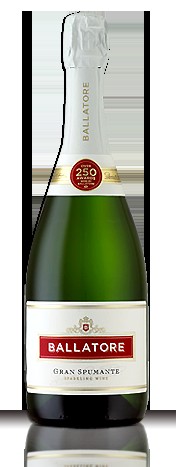
Ballatore Gran Spumante, priced at $9.99

At the onset of a family gathering, I popped open a bottle of Ballatore Moscato Rose Spumante. Within minutes, the volume of certain family members’ voices seemed lowered, and the comments more easily digested. All in all, it was a nice experience that may not have been possible without a bit of bubbly to relax one and all who accepted a pour. This spumante would have gone a long way if I’d made this cocktail, courtesy of Ballatore:

Sparkling Mocha Truffle

  • 4 tablespoons chocolate shavings
  • 3/4 oz. white creme de cacao
  • 3/4 oz. vanilla liqueur
  • Splash of walnut liqueur
  • 1 oz. Ballatore Rose ($9.99 a bottle)

Wet the rim of a a martini glass in white creme de cacao and dip into plate of chocolate shavings. Set aside. In a cocktail shaker, combine the 3/4-oz. white creme de cacao, vanilla liqueur and walnut liqueur with ice. Shake vigorously. Add Ballatore Rose and stir. Strain into glasses.

***

My bottle of Ballatore Gran Spumante was recently opened while visiting friends in the Berkshires. Four glasses were poured, toasts made and sips savored. My first taste sensation was of cream soda. The old fashioned kind. Everyone agreed, but also commented on how much they enjoyed the creaminess and slight bubbles.

For 30 years, Ballatore has been producing sparkling wines in the Italian Asti-style. I have to admit I’d never before heard of Ballatore, so it was a nice introduction to some tasty sparkling wines that don’t break the budget.

Three Alamos wines priced under $23

Image
Argentina’s Alamos wines

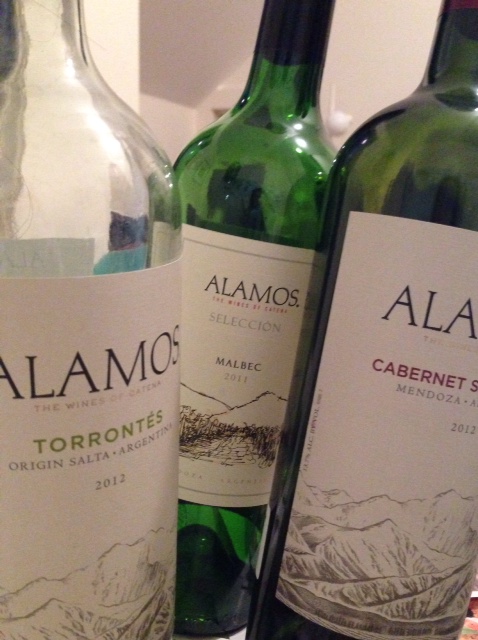
We’ll begin with the cream of the crop: Alamos 2011 Seleccion Malbec ($20 a bottle). This is a bottle of wine to savor, and that’s exactly what I did. Over several days, I enjoyed a glass of malbec with a traditional chicken dinner, but this rich, velvety wine is best served with something similarly exotic to Argentina: salad of roasted beets with carne a la masa (marinated beef baked in dough).

The wines of Alamos are a trusted favorite of mine, and I really enjoyed the 2012 Torrontes, perhaps because the aroma of jasmine always makes me happy, or because it’s a great wine to serve with appetizers that include some goat cheese and something spicy. This wine is fruity and different, and is priced at $13, making it an affordable table wine to enjoy or bring to a dinner party as a hostess gift.

Finally, my third Alamos wine tasted: Alamos 2012 Cabernet Sauvignon ($13) of which you can taste the dark berries and spice. This is a bottle to open after you’ve just took a leg of lamb out of the firepit. It’s a medium bodied wine with a low tannin structure, so drink it now. I enjoyed this bottle with dinner of arugula salad and pulled pork with homemade BBQ sauce.

Wines to try from the Central Coast, California

Image

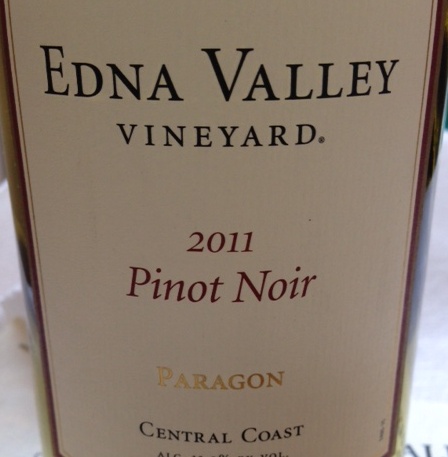
I have a lot of respect for the pinot noir grape and for the winemaker who can turn these delicate grapes into a sensational, elegant wine. Edna Valley Vineyard’s 2011 Central Coast Pinot Noir ($20) proves my loyalty. From the opening of the bottle, a first pour brings forth aromatic delights of rose petals and earthy minerality. The smidgen of zinfandel added gives this wine a bit of a spice, adding complexity. Edna Valley Vineyard grapes hail from the Central Coast of California, five miles from the Pacific Ocean in one of the coolest and longest growing seasons in the state. When I served this wine with chicken dinner, I realized it would pair well with almost any entree.

A nice white selection from Edna Valley Vineyard is the 2012 Sauvignon Blanc ($15) made with grapes from the Central Coast of California as well, but in Monterey and San Luis Obispo counties. Like a traditional sauvignon blanc, this wine offers notes of melons, a strong minerality and sweet fruit. It’s full-bodied and has a long finish. Oh, and this is a screw-cap wine, easy to take on the go to serve with brie and bread, chips or any hors d’ouevres.

Image

I shall drink first with my eyes, poring through bottles whose labels range from Chateau d’Esclans‘ Whispering Angel of France, to Bodegas Verum Reserva Familiar 2009 Tempranillo of Spain. I am at the 2014 Boston Wine Expo, in the Vintner’s Reserve Lounge inside the Seaport Hotel’s Plaza Ballroom. This is a separate venue from the Grand Tasting floor of the Expo, in that it is where the cream of the crop awaits my palate. The price points are a bit higher than what is tasted in the Grand Tasting Floor, where I stopped for a taste of Barefoot Bubbly before the 1 p.m. opening of the Vintner’s Reserve Lounge.

Once visually full of my surroundings, which included Scullers Jazz Club playing in the far corner, floral arrangements by Stapleton Floral, Alex and Ani jewelry, the enticement of Celebrity Cruises and Silversea Cruises and S.Pellegrino & Acqua Panna hydration, I was ready to taste, taste, taste. And not just fine wine like a 2009 Chateau Corton Grancey of the Cote de Beaune region in the village of Aloxe-Corton ($100/bottle), which makes a phenomenal pinot noir with grapes grown from limestone soil and aged in oak casks, but culinary specialties such as beef wellington of Ruth’s Chris Steak House and prosciutto meatballs of TAMO bar & lounge. In fact, the food rivaled the wines, and, to be honest, overwhelmed me. Where do I begin? When do I break for more food or stop at the cheese table? Sofas are at the ready for some time spent sipping at leisure. And sip I did.

A Louis Latour Marsannay proved worthy, as did an Oregon pinot noir of Winderlea Estate in Dundee Hills. I couldn’t keep up with so many elegant wines to document, so I began using my Vivino app to document the occasion. A L’Abeille de Fieuzal Graves 2011 of Bordeaux caught me by surprise, as did a 2009 Terra Alta Mather Teresina of Spain, a Celler Pinol. I knew I’d love the selection of Caymus Cabernet Sauvignon’s, as I knew I’d adore the Grgich Hills Estate wines.

For the price of $185 on a Sunday afternoon, the Vintner’s Reserve Lounge was well worth the cost for time spent exploring world wines and class A culinary offerings. And with the ticket price, you get access to the Grand Tasting as well.

Growing up Gallo

As heiress to the Gallo Empire, Gina Gallo hopped on a plane last year for the Boston Wine Expo 2013 to promote all sips Gallo. The night prior to the BWE, I was fortunate to enjoy a private dinner with Gina at Forum, located on Boylston St. in Boston. What I discovered about Gina is that she’s an open book: down-to-earth, approachable and interesting beyond her fabulous wine stories. And she isn’t tainted by fame and fortune; in fact, she says growing up on a vineyard was much like growing up as a farm girl, and that’s her personality in a nutshell: farm girl meets fine palate.

Here are 7 things you may not know about Gina Gallo, and 3 bottles of Gallo signature wines to sip:

#1 – She has 7 siblings and her brother takes care of the bottling segment of the company.

#2 – She doesn’t have a television set in her Napa, California home, and doesn’t care — with the exception of President Obama’s inauguration. She wanted to watch this coverage, and did so on her laptop computer.

#3 – She enjoys live theater whenever she can steal away from the business and her twin toddlers, and whenever a show is within reach. As she explains the thrill of theater, she spends several minutes amusing herself in trying to recall the name of the show that sent her in stitches – about an Irish Jew – or was it an Irish Italian? She can’t remember, but remembers loving the performance.

#4 – She believes the Portuguese language to be the most beautiful. And although she is married to Frenchman, Jean-Charles Boisset, she doesn’t speak fluent French. With twin daughters who will surely be raised in both languages, she knows learning more French is mandatory.

#5 – She has to work out by noontime, or she won’t. Participating in sports is what keeps her in shape, and she loves waterskiing, swimming and surfing.

#6 – She’s open to several culinary specialties, but she won’t eat gizzards (sorry, Anthony Bourdain!).

#7 – She has never been in a hot air balloon, but once jumped out of a plane on a dare to skydive.

#8 – Gallo Signature Series 2011 Russian River Valley Chardonnay ($30) has a bouquet of Burgundy, yet is a California wine crafted by the legendary Gallo family. Flavors of crisp apple, lemon meringue and ginger tease the palate as grapes from Laguna Ranch, Del Rio Vineyard and the Russian River Valley orchestrate this exceptional white wine.

#9 – Gallo Signature Series 2011 Santa Lucia Highlands Pinot Noir ($35) is so tasty on its own. You may be selfish and hoard this bottle to enjoy over the course of a few evenings. I know I did. And I don’t regret a sip. This pinot noir comes from grapes grown on Olson Ranch Vineyard of Santa Lucia Highlands.

#10 – Gallo Signature Series 2010 Napa Valley Cabernet Sauvignon ($40) was first served with a filet mignon topped with crabmeat and blue cheese. Hey, for a very special cabernet, you must enjoy a special meal, right? This wine’s flavor profile is of a chocolate milkshake with black cherry and currants, a hint of vanilla. A drop of petit verdot shakes up the taste a bit.

FamilyPortraitLarge

At the Boston Wine Expo 2014:  Gallo Signature Series

Booth/Table: 640

The Gallo Signature Series honors the journey the Gallo family started in 1933, and it celebrates how far the family has come. With some of California’s best grapes at her fingertips, third-generation winemaker, Gina Gallo, has created three distinct wines that could only be crafted from the Gallo family’s unique combination of vineyards. For Gina, the Gallo Signature Series expresses her family’s passion for great vineyards and great wine, and it reflects the best the Gallo Winery has to offer. The Gallo Signature Series marks a return to hands-on, artisanal winemaking for Gina, and it brings to life the enduring legacy of Ernest and Julio Gallo.

Argentine table wines

I love malbec wines of Argentina, and that’s a fact. Here are two worthy of grabbing next time you’re in a wine shop:

2012 Alamos Malbec

A classic Argentine wine, this malbec is made using malbec grapes blended with a small percentage of syrah and bonarda grapes. For this particular vintage, the growing season lowered the yields for malbec grapes — blame it on the zondas (strong winds) and frost. Deep dark berry flavors come through in this wine with hints of baking spice and vanilla. What you’ll get from the best of the Mendoza area is a wine with strong tannins and a long finish. $13 suggested retail price

Image

2012 Alamos Red Blend

You can drink this wine without a culinary pairing, that’s how good it is. Priced at $13, this is a bottle that gives in taste, texture and aroma. Primarily using Argentine’s signature grape, malbec, this blend also has some bonarda, tempranillo and syrah. Perhaps it’s the tempranillo that makes this wine so special. While it has all that the malbec described above boasts, it’s that Spanish grape that sets it apart from the rest.

Visit www.AlamosWines.com for more information.

Rockin’ the reds

Image

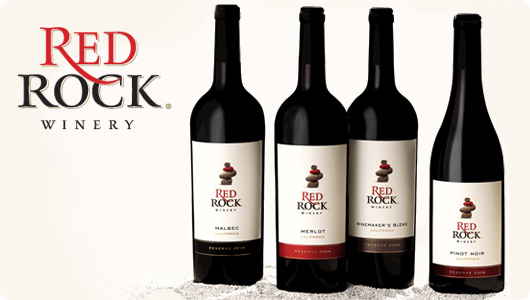
Debbie Juergenson, winemaker at Red Rock Winery in California, knows how to lure women to drink her red wines. Just take a look at the website: www.RedRockWinery.com and you’ll see a picture of a woman in a bathtub sipping red wine from a glass. I’m in.

So, with four bottles in tow, over the next few weeks, I sipped — and shared.

Beginning with 2011 vintages, I first opened the Red Rock California Merlot, with grapes mainly from Paso Robles. Some petite sirah is blended in, which adds to the wine’s structure, supporting the fruity balance. It paired well with a traditional meal of garlic roasted chicken with broccoli, celery root and mashed potatoes. Merlot is known to work with chocolate, so a dessert of dark chocolate cake worked quite well. The next evening, a chicken parmesan sandwich worked with a glass of this merlot quite well. It’s all good. And priced at $13.99, as our all the bottles I’ll be writing about.

Next, the Red Rock 2011 Winemaker’s Blend is a concoction of petite sirah, syrah and zinfandel grapes from vineyards in Lodi, Sonoma and the Central Coast of California. The syrah gives this wine a lot of spicy goodness, and the blend of these grapes is perfection. I love blends when they’re done well, and this wine fits the bill.

Ready for 2012 wines?

First, I put a chicken pot pie in the oven with a whole potato to bake. Comfort food, right? Well, Red Rock 2012 Pinot Noir gave me comfort in a taste that brings me home. The jammy red raspberry flavors get me every time, and the slightest vanilla and caramel from the oak barrels takes the cake. For the next night’s dinner, I enjoyed this wine with butternut squash and braised chestnut ravioli. Works for me.

Last, but definitely not least is Red Rock 2012 Mendoza Malbec, which I had served with roasted turkey and the stuff of Thanksgiving sides. I love the richness of the Argentine signature grape, and this wine did not disappoint. Made with 100 percent Malbec grape, even the zondas of Mendoza (that would be wind) didn’t stop this grape’s worthiness. It may have stopped the volume, however, so you may want to grab this bottle when you see one, or two.

Are you ready for that bath now? I know I am. Enjoy!