Category Archives: Wine Reviews

On a white wine bender

Image

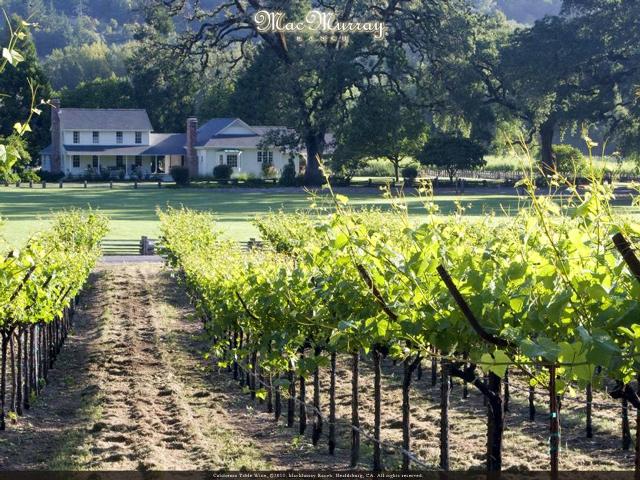
One of my top favorite red varietals is pinot noir, which MacMurray Ranch does quite well. Their 2010 Russian River Valley Sonoma County pinot noir ($27) is nice, but a bit too much acidity for my palate. The growing season for 2010 was met with challenges of record-breaking low temperatures in spring, and then lots of rain — leading to late bud break and more acidity in the grapes. It works if paired with the right dishes, such as bacon-wrapped double cut pork chop, a recipe courtesy of MacMurray Ranch.

But what really caught my palate in a pleasurable taste sensation was MacMurray Ranch chardonnay ($20), a 2011 made with grapes from the Russian River Valley in Sonoma County, California. This cool climate varietal is perfection in a glass, aged in a mixture of new and used French, European and American oak barrels at medium-plus toast levels. With this chardonnay, I enjoyed dinner of lobster ravioli covered in Parmesan cheese, lemon, butter, wine and garlic sauce.

Now I wanted to explore more white wines. So I did.

A Mirassou 2012 sauvignon blanc ($12) proved luxurious, a wine you can choose to drink on its own or paired with appetizers. I chose to offer it alone as a welcome sip to arriving dinner guests. This gave a feel of high society somehow — to simply sip and greet guests. Once the appetizers were brought to the table, the wine remained loyal in taste. Perhaps it’s the Meyer lemon aroma, but it seemed the perfect wine to cleanse our palates before the main course.

On a separate occasion I opened a bottle of 2012 Mirassou moscato ($12) made with California grapes — 35 percent from San Luis Obispo County — a destination I have yet to taste my way through. When I first sipped this wine, I craved brie cheese. But I didn’t have any, but I did have an event to attend — a lobster festival of fresh steamed lobsters and clam chowder. This sweet wine is best served with friends.

Finally, I opened a 2012 Mirassou riesling ($12), a fruity concoction made with grapes from the Central Coast and Russian River Valley in California. Now, I am not the biggest fan of riesling, especially when it comes to the acidity. But this riesling was quite enjoyable two nights in a row. The first night, I enjoyed a glass with dinner of organic chicken pie, applesauce and Brussels sprouts. The next night, I enjoyed the remainder with a friend, dipping chips in a cheesy sour cream dip before dinner of creole shrimp and sweet potato grits. We both agreed this was a stand-up riesling.

Will my feast on fine white wines continue for a while? Probably. In fact, with Champagne season fast approaching — holiday parties and New Year’s Eve on the horizon, it’s a safe bet.

For more information, visit www.Mirassou.com or follow them on Facebook.

Wines to pair for Thanksgiving dinner

ImageThanksgiving with Frei Brothers guarantees you’ll be in good company. So, welcome the Russian River and Dry Creek Valleys to your table, where guests will swoon over these elegant wines. Start with a bottle of 2012 Frei Brothers Reserve Russian River Valley Sauvignon Blanc ($17) to pair with popovers stuffed with goat cheese. Your guests are sure to love the vibrant, clean, lemon-fresh notes and rich minerality that comes from the terroir of Laguna Ranch, Two Rock Vineyard and MacMurray Ranch. Moving along to Frei Brothers 2011 Russian River Valley Chardonnay ($20), this a a lovely, elegant wine of perfection in its acidity, and pairs quite well with appetizers of substance, such as dates wrapped in bacon and stuffed with almonds or cheese, drizzled with balsamic vinegar and broiled to sweetness.  Or better yet, save it for dessert of apple pie to add a buttery flavor.

Reds you say? Frei Brothers Reserve 2011 Dry Creek Valley Merlot ($20) is an excellent wine to store for aging. For now, this intensely aromatic wine with its baking spice flavors and smooth liquid and smokiness would work quite well with Thanksgiving Day turkey dinner for those who enjoy red wines in particular. Or how about a bottle of Frei Brothers Reserve 2011 Dry Creek Valley Zinfandel ($20), made with a commitment to sustainability (in fact, all of the Frei Brothers wines are made with sustainable practices). The zinfandel’s all-spices only get better with the knowledge that this wine was made with the environment in mind. And in the heart of Northern Sonoma, the terroir produces Bordeaux-like wine sure to win over your guests. Add 4 percent petite sirah and you’ve got yourself a winner. So they did.

Bravo, Frei Brothers! And if you visit their website: www.FreiBrothers.com, you can link in to the tab, “In the Kitchen” for great recipes to pair with these wines.

Nostalgia in the form of Da Vinci Chianti

DaVinci is a name based on the world-famous Italian Renaissance artist, Leonardo daVinci, and is now utilized for all things Italian and cultural. I’ve encountered daVinci in the form of a restaurant: DaVinci’s Ristorante in Boston, and I’ve been to see the Leonardo daVinci statue and Leonardo daVinci Museum in Italy, commemorating the great artist. But it is the wine brand I’m going to focus on at the moment. More specifically, a 2011 Da Vinci Chianti DOCG ($15) and a 2012 Da Vinci delle Venezie IGT pinot grigio ($15) that brought back memories as one of the first wines I drank during my wine club days, when I ordered a case at a time to experiment with various vintages from around the world. DaVinci Chianti was one of the wines I most remember, and this marked the time I fell in love with Chianti, the blend of Tuscan grapes, which I would drink time and time again before the stage was set for actually visiting Chianti.

But first, the tease, or more aptly put, the stage was set last fall when I enjoyed my first night’s dinner in Florence, Italy, at Il Cibreo with a glass of DaVinci pinot grigio and an announcement of the evening’s menu by an Italian-matriarch: “Swiss chard, polenta, fish soup, tomato soup, porcini …” as options in the first course. I chose polenta, which was the most soft, light and creamy texture, served on a plate that had a hollowed middle, sort of a well, where olive oil was poured on top to complement the polenta’s richness, and was topped with an excessive amount of Parmesan cheese shavings, which added a welcoming smoky flavor.

The next time I’d encounter a daVinci experience, it would be in Chianti, at Cantine Leonardo DaVinci, for a cooking lesson and lunch of pan-fried sliced, egg-soaked Tuscan bread in sunflower oil. As the slices were browned to perfection, they were removed and topped with local pecorino cheese and in-season porcini mushrooms already soaked in extra-virgin olive oil (EVOO) before tossed in a fry pan and seasoned with fresh chopped parsley.

More mushrooms were placed in a pan, along with grated lemon zest, courtesy of Chef Augusto, who worked fast to sauté them with garlic, EVOO, DaVinci white wine and an indigenous form of mint called “nipitella.” He then sautéed slices of pork with red wine (vino rosso), rosemary, garlic, EVOO and butter, sage, fennel seed and salt. Once the pork was cooked, he poured almost an entire bottle of wine in the pan and let it sit to make a reduction sauce. And then we witnessed his secret: his assistant softened and molded a ball of butter before rolling it in pasta flour. Chef Augusto took the final ball and dropped it in the middle of the pan, where it melted throughout and thickened the reduction sauce.

Image

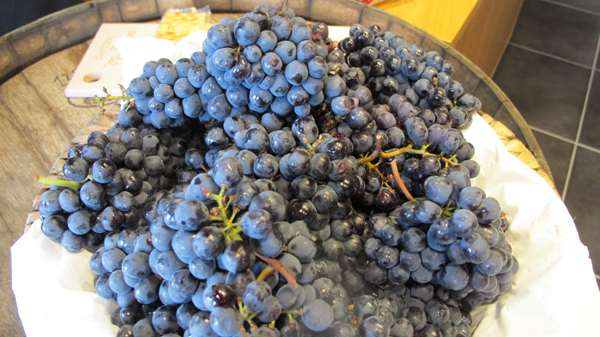
Pictured above: Sangiovese grapes on display in the DaVinci tasting room — used to make Da Vinci wines. Photo by Charlene Peters

Lunch in the DaVinci tasting room offered an open door view of rolling hills to showcase endless rows of vines. The battered bread topped with mushrooms is served first, with a 2011 DaVinci pinot grigio that smelled of lemon and wet stone, a sign of its Trentino origin. And then the pork, with the wine reduction sauce that works so well with the acidity of the 2011 DaVinci Chianti, a clean, classic, fruit forward wine with cherry flavors and a juicy finish. Next, we tasted a DaVinci Chianti Riserva 2009, my favorite of the day, influenced by aromas of wood, subtle leather, tobacco and citrus peel. It is a complex wine, which equals great character.

A year later, at home with my Da Vinci 2012 delle Venezie IGT pinot grigio in hand, I decided to cook cook scallops in sesame oil to pair with this most refreshing wine that begins with a floral bouquet so pleasant I wanted to keep sticking my nose in my glass. The taste was clean and fresh with a crisp finish and hint of green apple flavor. I was brought back to my time spent in northeastern Italy, so drinking this wine was nostalgic.

I have to admit that my bottle of Da Vinci 2011 Chianti DOCG, a blend of sangiovese, merlot and other red grapes in Chianti, was kept to myself. I couldn’t help it, I didn’t want to — and didn’t have to — share. I savored every sip of this Tuscan beauty, admiring its ruby red color and plum and cherry flavors. I allowed my mind to drift back to those days spent in Chianti, specifically at Cantine Leonardo da Vinci, where the root of winemaking tradition began among the rolling hills of Tuscany. I rationed this bottle over the course of three days, and enjoyed every sip, remembering time spent learning about the area and its winemaking with Cantine Leonardo da Vinci Vice President & General Manager — a dashing Italian man named Giovanni Nencini.

Visit www.DaVinciwine.com for more information.

Hitched on Bridlewood wines

I’ve been enjoying Bridlewood wines for years, so it’s always exciting to open a new vintage. Adding to the excitement of drinking Bridlewood wines is the fact that I once dined with the winemaker at Harvest Restaurant in Cambridge.

Browsing through a wine list at a restaurant, it’s a thrill to identify the wine with its winemaker, and when a new vintage is released, the excitement is re-lived. I recently shared four new releases with friends, and here’s what we noted:

#1 – Bridlewood 2011 Central Coast Blend 175 ($15)
This is one of my all-time favorites of Bridlewood, mainly because I enjoy a good blend of reds. This one has syrah, cabernet sauvignon, viognier and petite syrah grapes picked from the Central Coast, California. The process of the winemaking for this blend is intricate, racking off of gross lees and again at six months to allow the rich fruit flavors to open fully – you may not understand the process, but you’ll appreciate the end result. Dark, jammy fruit flavors with a touch of oak and a nice smooth finish.

#2 – Bridlewood 2011 Paso Robles Cabernet Sauvignon ($15)
There is nothing quite like a good glass of cab, and for this one, the feedback was comprehensive: Very dark purple, very long legs, smells insanely delicious, like plums, prunes, dark purple fruits – with a vanilla scent. Very light on first sip, but then … the finish was long, smooth, satiny on the palate – tasty and sweet. Suggestions from this sipper on pairing: a contrasting dish of garlic-base and sautéed spinach – maybe with a nice herbaceous steak (black pepper, garlic). In the meantime, this wine was enjoyed on a cool afternoon watching the boats on the harbor and listening to nearby musicians playing soft music at the yacht club. Life is good.

#3 – Bridlewood 2011 Monterey County Chardonnay ($15)
Monterey County’s Pacific breezes and sunshine set the stage for this tropical fruit flavored wine mixed with oaky notes of vanilla and spice. If left for a year or two, this wine will open up with caramel aromas and add more complexities to its taste. Great pairing with chicken, fish, cheeses…

#4 – Bridlewood 2011 Monterey County Pinot Noir ($18)
Now for my favorite of the four 2011 releases. Perhaps it’s knowing that the pinot noir grape is so delicate, and harvesting these grapes is an art form in a sense. The end result is worth the effort, as the freshness of the fruity grapes and the perfectly oaked notes of vanilla and caramel give this wine a good standing with intense, rich flavors. But wait, there’s more! The pinot noir grapes did not stand alone in this wine. A small percentage of zinfandel grapes were added to enhance the mouth feel and add more structure. So that’s how they did it…

For more information, visit www.BridlewoodWinery.com.Image

In the company of good friends on a chilly Sunday afternoon, the tables on my deck were filled with plates of cheeses, tomato drizzled with olive oil, mozzarella and basil leaves, and dip and chips to munch on, as well as three wine glasses filled with Mirassou 2011 California Merlot. The oaky flavors and smoky aroma felt right in keeping with the cool weather. One guest went so far as to rate it “85” points, which I can only assume referred to Parker points. Flavors from this merlot are red cherry, raspberry and vanilla.

Made with grapes from the Central and North Coast of California, it’s no surprise this young wine offered such deep, wonderful concentrated flavors. Two glasses were saved for dinner of charcuterie and red sauce over pappardelle pasta — it worked.

Next, I opened a bottle of Mirassou 2011 Cabernet Sauvignon. This wine, my deck friends stated, had “impressive legs” and a fruity, hearty bouquet. It was a smooth wine with a full-body and perfect finish. The grapes of this wine hail from California’s Central Coast, Lodi and several North Coast regions. The longer growing season results in the more expressive flavors.

Now for the Mirassou California 2011 Pinot Noir, made by David Mirassou, sixth-generation winemaker whose great-great-great grandparents, Pierre and Henrietta Pellier traveled from France to California to find gold — and in a way they did — but in the form of vineyard potential. From France, they preserved their pinot noir cuttings in potatoes they purchased on-board the ship, and due to this creative thinking, the first pinot noir grapes entered California. The process in growing and harvesting pinot noir grapes is delicate and intricate, so this is a wine to be appreciated if not for its fruit-driven flavor profile of cherries, strawberries and red currant, but by the process to create such a wonderful wine.

Follow Mirassou on Facebook: www.facebook.com/mirassouwinery or visit www.mirassou.com for more information.

Each of these three wines retails for approximately $12 a bottle.Image